
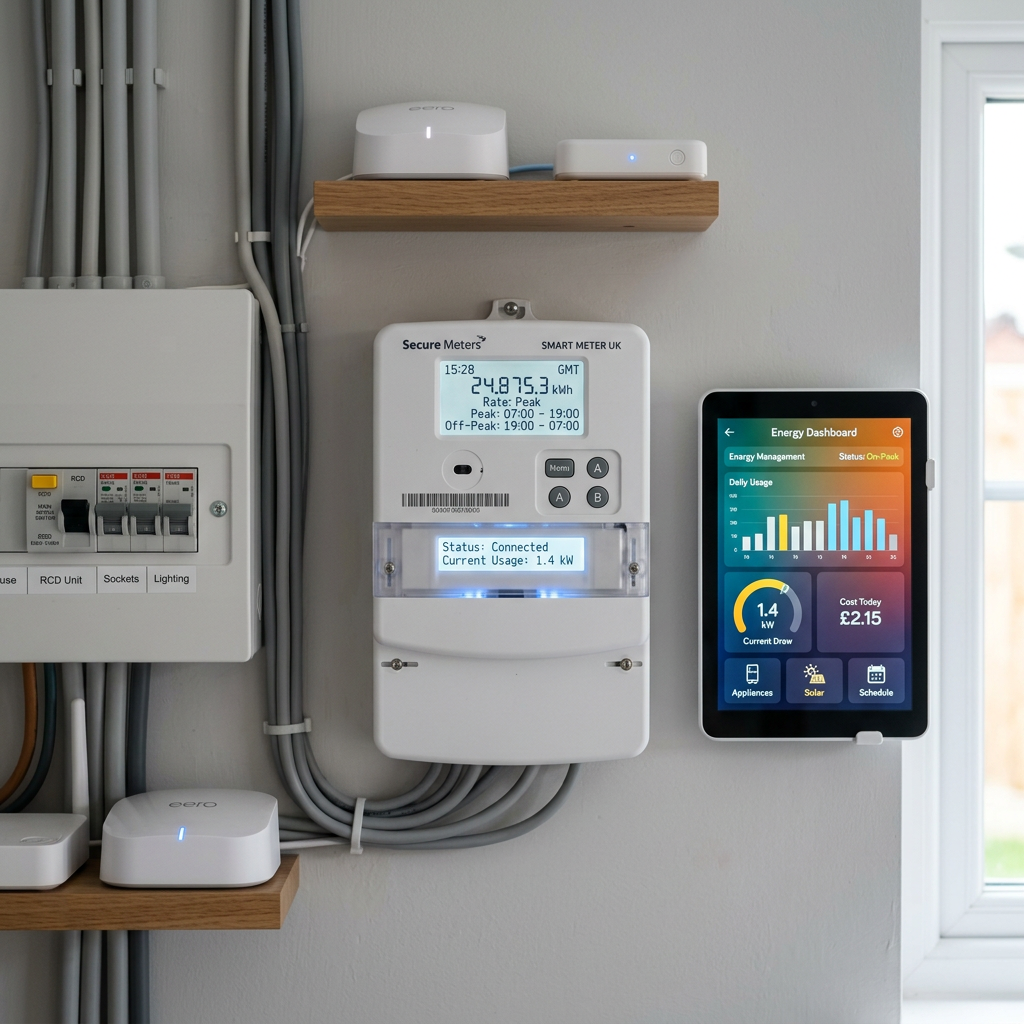
What Are Peak and Off-Peak Electricity Rates?
Not all electricity costs the same throughout the day. At peak times — typically early morning and early evening when demand surges — electricity is more expensive to generate and distribute. During off-peak hours, usually overnight, demand drops and electricity becomes significantly cheaper.
Some energy tariffs pass these price differences directly on to customers. If you can shift a meaningful portion of your electricity usage to off-peak hours, the savings can be substantial. If you want to find the best energy deals, it only takes a few minutes.
Economy 7: The Classic Off-Peak Tariff
Economy 7 is the original off-peak electricity tariff and remains widely available in the UK. It offers seven hours of cheaper electricity overnight — typically between midnight and 7am, though the exact hours vary by region and supplier.
Who Benefits Most From Economy 7?
Economy 7 works best for households that use a significant amount of electricity overnight. Traditionally this meant homes with storage heaters and immersion water heaters — appliances designed to ‘charge up’ on cheap overnight electricity and release heat during the day. You can also energy deal finder to see what’s available.
However, Economy 7 is increasingly attractive to households with electric vehicles (EVs), home battery systems, or those who are simply willing to run dishwashers, washing machines, and tumble dryers overnight.
The Trade-Off
Economy 7 tariffs have a higher daytime unit rate than standard single-rate tariffs. The overnight rate is typically around 40–50% cheaper, but the daytime rate is 15–25% higher. This means Economy 7 only saves you money if at least 40% of your electricity usage falls in the off-peak window.
Economy 10: More Off-Peak Hours
Economy 10 works similarly to Economy 7 but provides ten hours of cheap electricity spread across three periods — typically overnight, lunchtime, and early afternoon. It’s less widely available but can be advantageous for larger homes with storage heating systems that need more charge time.
Time-of-Use Tariffs: The Modern Approach
Smart meter technology has enabled a new generation of time-of-use tariffs that go well beyond the traditional Economy 7 model.
Octopus Agile
Octopus Agile is the most well-known example. Prices change every 30 minutes based on wholesale electricity prices — which are often very low (or even negative) during periods of high renewable generation. Customers with the Octopus app can see the next day’s prices in advance and plan their usage accordingly.
Intelligent EV Tariffs
Several suppliers now offer tariffs specifically designed for EV drivers, providing ultra-cheap overnight rates — often under 10p/kWh — for home charging. Octopus Intelligent, OVO Charge Anytime, and similar tariffs can dramatically reduce the cost of running an electric car.
How to Shift Your Usage to Save Money
Making the most of off-peak electricity doesn’t have to mean disrupting your routine. Here are practical ways to move more usage into cheaper hours:
- Washing machine: Use the timer function to start a cycle at 11pm so it finishes overnight. Most modern machines have a delay start feature.
- Dishwasher: Run overnight rather than after dinner.
- Tumble dryer: If you must use one, overnight is significantly cheaper on any off-peak tariff.
- EV charging: Plug in at bedtime and set the charger to start during off-peak hours via your car’s app or a smart charger.
- Home battery: If you have solar panels, a home battery lets you store cheap overnight electricity (or excess solar generation) and use it during expensive peak hours.
Is an Off-Peak Tariff Right for You?
The answer depends on your lifestyle and how much flexibility you have in when you use electricity. If you’re happy running appliances overnight and you have storage heaters, an EV, or a home battery, an off-peak tariff could save you hundreds of pounds a year.
If most of your electricity usage happens during the day and you can’t easily shift it, a standard single-rate tariff may actually work out cheaper. The key is to compare both options using your actual usage pattern.
Compare peak and off-peak tariffs side by side now — enter your postcode and annual usage and see exactly which type of deal would save you most over the next 12 months.


0 Comments