
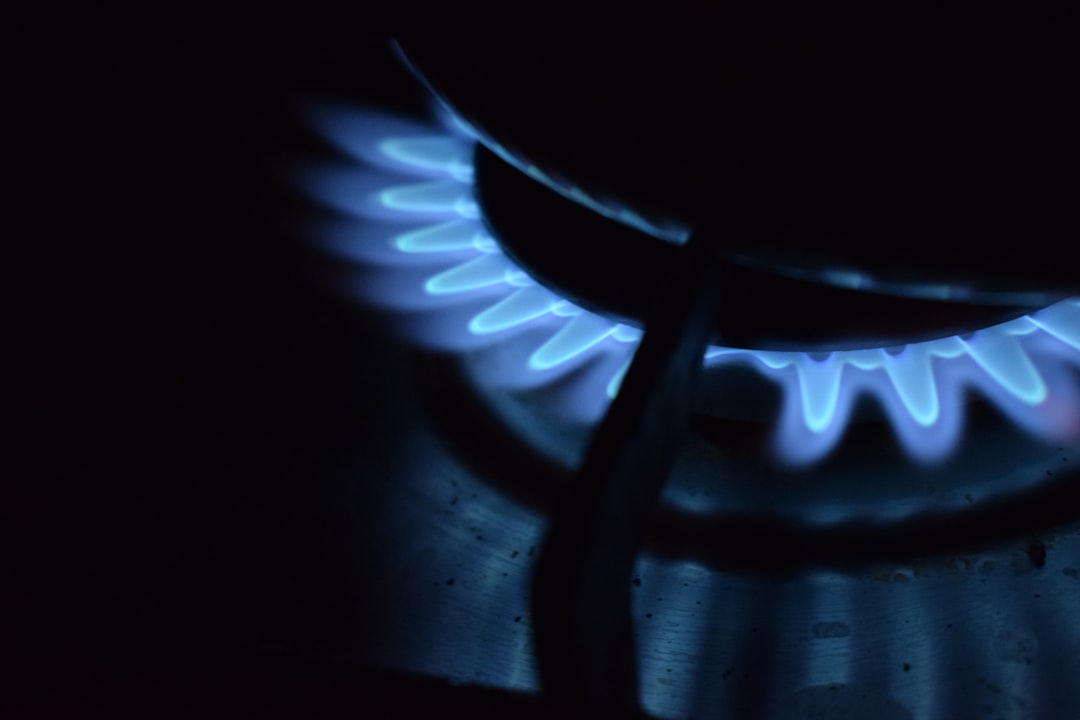
What is Hydrogen Heating and How Does It Work?
Hydrogen heating represents one of the most talked-about alternatives to traditional natural gas boilers in the UK. Instead of burning gas, hydrogen boilers burn hydrogen gas, producing heat and water vapour as the only byproducts. On the surface, this sounds remarkably clean and efficient for UK homeowners looking to reduce their carbon footprint whilst maintaining familiar heating systems.
The technology itself isn’t new – hydrogen boilers have been tested extensively across Europe and in pilot schemes throughout the UK. What’s different now is the serious government investment and infrastructure planning that’s finally making hydrogen a realistic possibility for British homes. However, there’s a crucial distinction to understand: most hydrogen would be produced using steam methane reforming (SMR), which still generates carbon dioxide unless paired with carbon capture technology (CCUS).
The Current Timeline: When Could You Actually Get Hydrogen Heating?
Here’s the honest truth – hydrogen heating isn’t available to most UK homes right now. The government’s Hydrogen for Heating Programme has outlined an ambitious but gradual rollout. Early pilot areas, including parts of the North West and potentially other regions, may see hydrogen networks operational by the mid-2020s, but widespread availability across the UK is realistically 10-15 years away at minimum.
This timeline matters because it affects your heating decisions today. If your boiler needs replacing in the next 3-5 years, hydrogen heating won’t be an option for you. You’ll need to consider air source heat pumps, hybrid systems, or upgrading to a modern condensing gas boiler – each with different implications for your energy bills and Ofgem-regulated energy prices.
Cost Considerations: Will Hydrogen Heating Be Affordable?
One of the biggest unknowns is pricing. The government and energy suppliers haven’t officially confirmed what hydrogen heating will cost compared to natural gas or heat pumps. However, early estimates suggest hydrogen could be significantly more expensive than current gas heating during the initial rollout phase.
Several factors will influence final costs. Hydrogen production infrastructure requires substantial investment – building electrolysers, reforming plants, and converting existing gas networks. These costs will initially be passed to consumers. Additionally, hydrogen density is lower than natural gas, meaning you’d need to use roughly three times the volume to produce the same energy, which could inflate bills despite competitive per-unit pricing.
For perspective, current gas heating in the UK costs homeowners roughly £1,200-£1,800 annually (depending on Ofgem price caps and your consumption). Early hydrogen estimates suggest costs could be 10-20% higher initially, though competition and scale should drive prices down over time, much like solar panel costs decreased significantly in the past decade.
Will Your Home Be on the Hydrogen Network?
A critical question many UK homeowners ask: will hydrogen heating actually reach their address? The government’s plans focus on regional pilot schemes and targeted rollout areas with suitable infrastructure. Rural properties, particularly those in Scotland, Wales, and Northern England, may face delays or may never transition to hydrogen if alternative solutions prove more practical.
Ofgem’s role will be crucial in regulating how hydrogen networks operate and ensuring fair pricing. However, properties with existing gas connections are prioritised for conversion, meaning homes relying on oil heating or LPG cylinders may need alternative solutions like heat pumps regardless.
Heat Pumps vs. Hydrogen: Which Should You Choose?
For most UK homeowners facing boiler replacement decisions now, heat pumps represent the more immediately practical option. Air source heat pumps are available today, increasingly affordable (£6,000-£9,000 installed), and qualify for government grants through schemes like the Boiler Upgrade Scheme (worth up to £5,000).
Hydrogen heating advantages include familiarity – your heating system works almost identically to current gas boilers, requiring minimal lifestyle changes. Disadvantages include the long wait, uncertainty about costs, and questions about whether hydrogen is genuinely as carbon-neutral as proponents claim.
Heat pumps, conversely, work immediately, qualify for current government support, and have proven technology. Their disadvantages include slightly higher running costs in poorly insulated homes and the need for proper installation in suitable properties.
What Should UK Homeowners Do Now?
If your boiler works, maintain it properly and focus on other energy-saving measures. Improving insulation, upgrading windows, and installing a smart thermostat can reduce energy bills by 10-20% regardless of your heating method. These investments remain worthwhile whether you eventually switch to hydrogen, heat pumps, or continue with gas.
If your boiler needs replacing within the next 3-5 years, seriously evaluate heat pumps or modern condensing gas boilers rather than waiting for hydrogen. Compare quotes from multiple installers, check your eligibility for the Boiler Upgrade Scheme, and factor in your home’s insulation quality and size when calculating running costs.
Stay informed about hydrogen developments in your region. Some councils and energy suppliers are running local trials that might affect your area’s timeline. Sign up for updates from your local authority or energy supplier.
The Bottom Line on Hydrogen Heating
Hydrogen heating is technologically feasible and could genuinely contribute to UK decarbonisation, but it’s realistically 5-10 years away from significant rollout, with some areas potentially waiting 15+ years. For most UK homeowners, it shouldn’t influence heating decisions today.
Focus instead on what you can control now: improving home insulation, considering available alternatives like heat pumps if your boiler needs replacing, and monitoring your energy bills against Ofgem price caps. Hydrogen might eventually be part of Britain’s heating future, but that future isn’t quite here yet.
Ready to explore your actual heating options today? Compare current boiler replacement quotes, investigate heat pump suitability for your property, and check what government grants you might qualify for. Don’t wait for hydrogen – make informed decisions based on solutions available now and start reducing your energy bills immediately.


0 Comments