
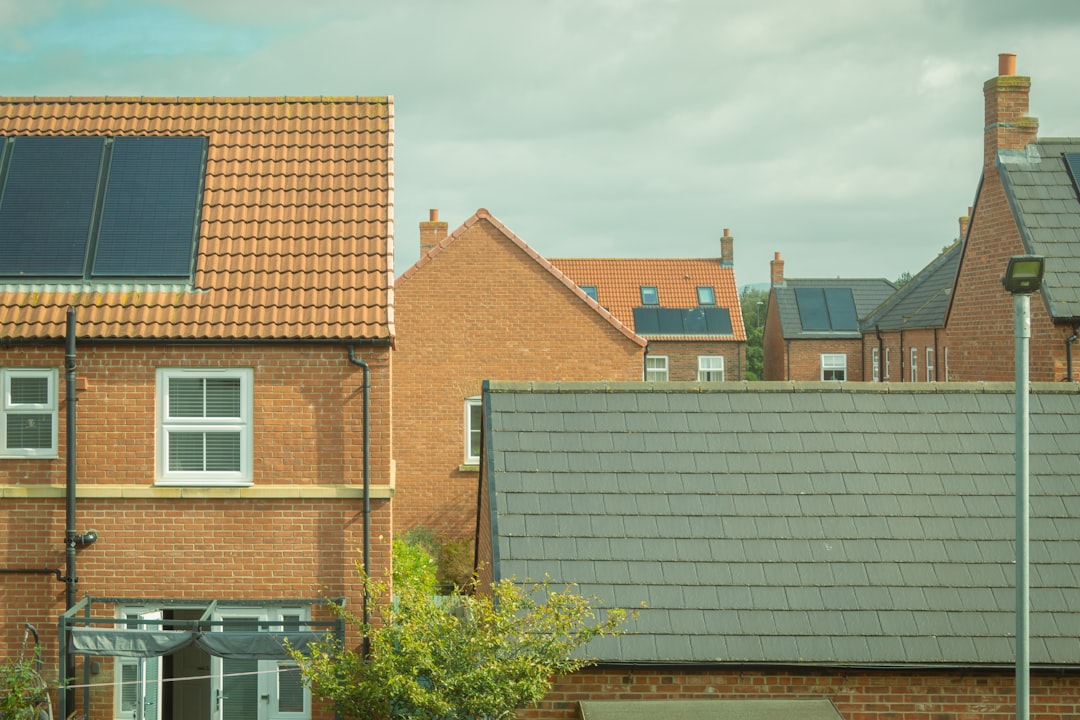
What Are Community Energy Schemes?
Community energy schemes are locally-owned renewable energy projects that allow residents and organisations to generate, own, and benefit from clean electricity. Rather than relying solely on large commercial energy providers, community energy puts power generation quite literally into the hands of local people. These schemes typically involve wind turbines, solar panels, or hydroelectric installations owned collectively by community members who invest together.
The UK has seen remarkable growth in community energy over the past decade. From small village projects to larger municipal installations, these schemes now generate millions of pounds worth of electricity annually whilst building stronger, more resilient local communities. For households looking to reduce their energy bills and carbon footprint, community energy schemes offer a genuinely alternative approach.
How Do Community Energy Schemes Generate Income?
Community energy schemes operate through several income streams that benefit investors and participants. The primary method is the Feed-in Tariff (FIT) scheme, which pays organisations for electricity generated, whether it’s used locally or exported to the national grid. Ofgem regulates these payments to ensure fairness and transparency.
Additionally, many schemes generate revenue through energy sales. If your scheme has a solar array or wind turbine, surplus electricity can be sold directly to members at discounted rates—often 10-20% cheaper than standard supplier tariffs. This creates genuine savings for participating households. Some communities also access grants from organisations like the National Lottery or government renewable energy funds, reducing initial investment requirements.
Another income source is the Export Guarantee Scheme, which pays for surplus electricity fed back into the national grid. For every kilowatt-hour exported, your scheme receives payment, creating sustainable long-term revenue that’s distributed amongst members.
Getting Involved: Investment and Membership
Joining a community energy scheme is straightforward. Most schemes invite local residents to become members by investing a minimum amount, typically between £100 and £5,000, though this varies considerably. Your investment becomes a share in the project, entitling you to annual returns based on the scheme’s performance.
Investment in community energy schemes is genuinely low-risk compared to many alternatives. Unlike commercial investments, community schemes prioritise stability and sustainability over maximum profit. Annual returns typically range from 2-5%, distributed fairly amongst all members. Importantly, these are real financial returns on top of any electricity discounts you might receive.
To find a scheme near you, visit the Community Energy England website or search the national directory of projects. Most established schemes hold public consultation events and welcome new members throughout the year. You’ll need to complete a membership application, usually just a single page form, and arrange your investment—often via bank transfer or cheque.
The Real Benefits for Your Household
The most immediate benefit is reducing your energy bills. If your community scheme offers discounted electricity to members, you could save £100-300 annually depending on the project size and your consumption. Over a decade, that’s genuine money back in your pocket whilst supporting renewable energy.
Beyond finances, community energy schemes deliver environmental benefits. Each kilowatt-hour generated locally reduces reliance on fossil fuel power stations, directly lowering your household’s carbon footprint. A typical community solar installation might generate 50-100 tonnes of CO2 savings annually, with each member contributing to that positive impact.
There’s also significant social value. Community energy schemes strengthen local bonds, bringing neighbours together around shared environmental goals. Members often report increased engagement with energy issues, better understanding of how electricity networks function, and genuine pride in supporting local clean energy generation.
Different Types of Community Energy Projects
Community energy comes in various forms, each suited to different locations and resources. Community-owned solar schemes are most common, typically installed on roofs of community halls, schools, or commercial buildings. These are relatively straightforward to establish and maintain.
Wind turbines represent larger-scale projects, usually found in windy regions like Scotland, Wales, or coastal areas. These generate substantially more electricity but require more investment and planning permission considerations.
Hydroelectric schemes utilise flowing water, common in hilly regions. Energy cooperatives might manage multiple renewable installations across a wider area. Anaerobic digestion projects, less common but growing, convert organic waste into electricity.
Each type works slightly differently, but the core principle remains identical: local ownership, shared benefits, and renewable energy generation serving your community.
Regulatory Framework and Safety
Community energy schemes operate within strict regulatory frameworks. Ofgem oversees the financial arrangements and payment schemes, ensuring schemes meet high standards for transparency and member protection. All schemes must comply with Health and Safety Executive requirements, particularly for electrical installations.
Most established schemes register as Community Interest Companies (CICs) or cooperative societies, legal structures providing member protection and tax advantages. This formal registration ensures proper governance, regular audits, and clear management of member funds. You should always verify that any scheme you’re considering is properly registered before investing.
How to Evaluate a Community Energy Scheme
Before investing, ask these essential questions. What type of technology is being used? Does the scheme have planning permission already secured? What are the projected returns based on? Who manages the scheme, and what experience do they have? Is the scheme properly registered as a CIC or cooperative? What happens if the installation requires repairs or replacement?
Request the scheme’s business plan and financial projections. Legitimate projects will gladly share this information. Check whether they’ve received grants or external validation from recognised bodies. Contact existing members if possible to understand their actual experience.
Start Your Community Energy Journey
Community energy schemes represent a genuine opportunity to take control of your energy supply, reduce bills, and support renewable power generation. Whether you’re motivated by environmental concerns, financial returns, or community connection, there’s likely a scheme near you waiting for your involvement.
Begin by visiting Community Energy England’s website to locate schemes in your area. Attend a public meeting or consultation event—most communities hold these regularly. Ask questions, review the business plan, and connect with other members. Your involvement directly contributes to the UK’s renewable energy transition whilst delivering tangible benefits to your household and community.
Don’t wait for energy prices to rise further. Take action today and discover how community energy could transform your relationship with power generation and your energy bills.



0 Comments